The Lethal Triad of Iatrogenic Vasculobiliary Injury During Laparoscopic Cholecystectomy: A Case Report with Medico-Legal Implications
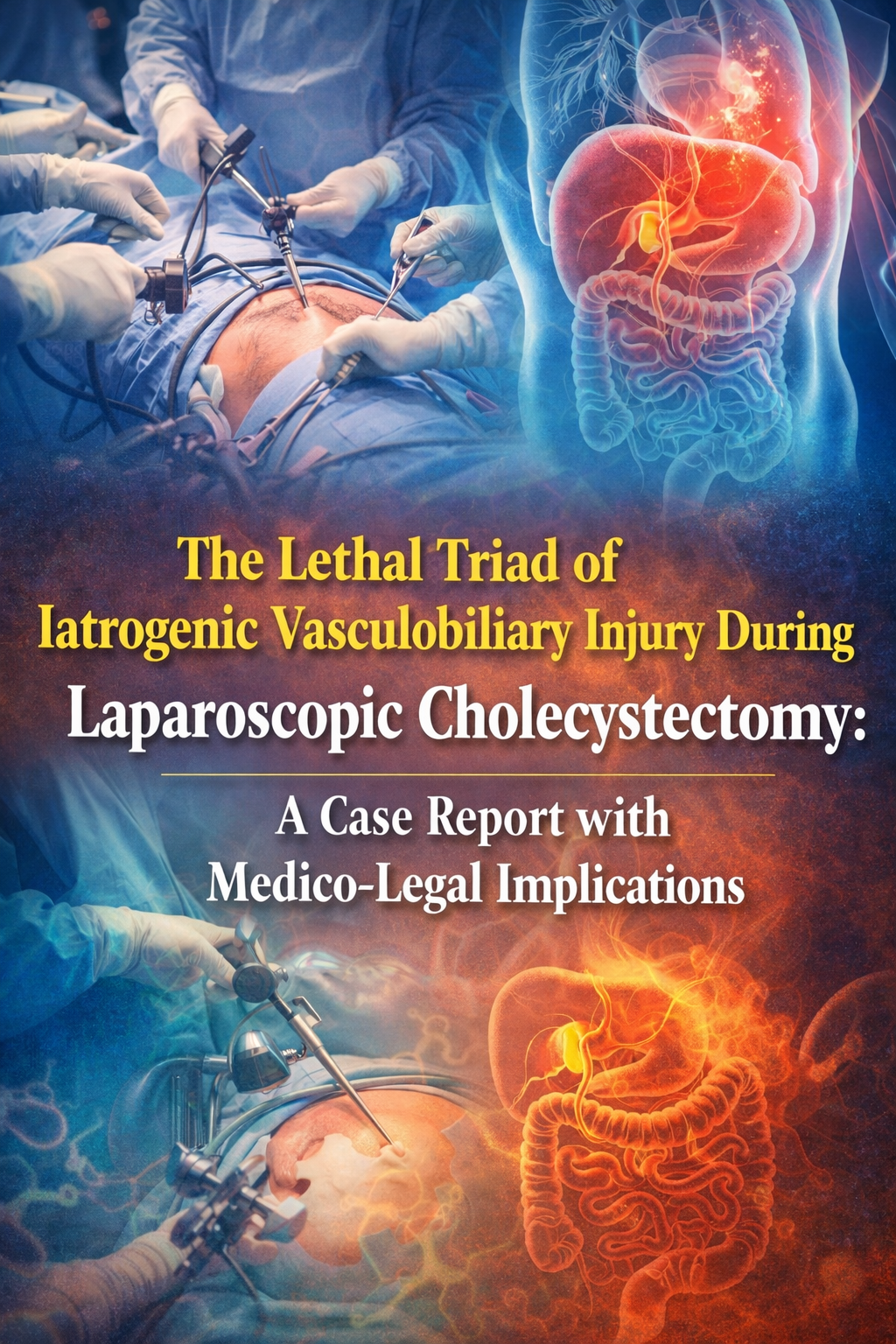

Background: Major vascular injuries during laparoscopic cholecystectomy are uncommon but are associated with a high risk of mortality, particularly when the hepatobiliary pedicle is involved.
Case Presentation: We report the case of a 66-year-old woman who was transferred in hemorrhagic shock following a laparoscopic cholecystectomy performed at a local hospital. The procedure was complicated by a laceration of the right branch of the portal vein, complete transection of the right hepatic artery, and extensive loss of substance of the main bile duct. Despite emergency surgical re-exploration and vascular repair at the University Hospital Center of Casablanca, the clinical course was fatal and the patient died. medico-legal autopsy subsequently confirmed the presence of major porto-arterial and biliary injuries, with findings consistent with death due to irreversible hemorrhagic shock.
Conclusion: This rare combination of porto-arterial and major bile duct injuries represents an immediate life-threatening condition. Early recognition of vasculobiliary injuries, prompt vascular control, and rapid referral to a specialized medical center are critical to improving patient outcomes. Given the iatrogenic nature and fatal outcome of this complication, a medical expertise was requested to analyze the surgical management, review the medical records, and assess the circumstances surrounding the intervention.