Epidemiological Profile and Fatal Injury Patterns of Road Traffic Accident Deaths Referred to the Forensic Medicine Department in Marrakech
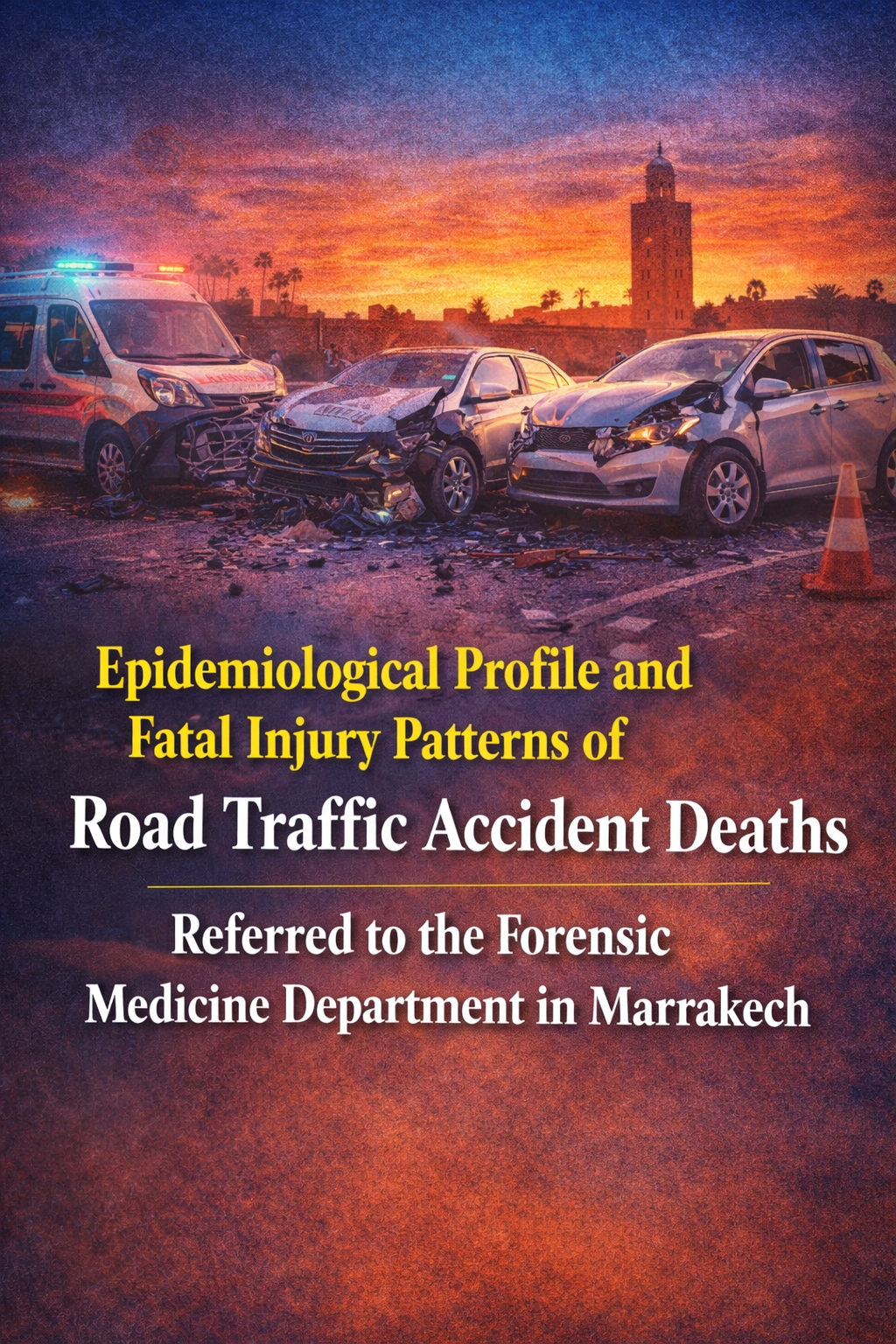

Background: Road traffic accidents (RTAs) remain a major public health problem in Morocco and impose a substantial burden on the healthcare system. This retrospective and descriptive study included victims who died as a result of RTAs and were referred to the Department of Forensic Medicine at Mohammed VI University Hospital, in Marrakech, between January 2020 and December 2021. The objective was to describe the epidemiological characteristics and fatal injury patterns of these deaths.
Methods: During the study period, a total of 328 RTA-related deaths were referred to the forensic department. Of these, 222 cases were included in the final analysis, while 106 records were excluded due to incomplete or non-exploitable data.
Results: In 2020, 65 deaths (29.3% of the analyzed cases) were recorded, compared with 157 deaths (70.7%) in 2021. Among the 222 analyzed victims, the most affected groups were individuals aged 16–29 years (29.3%), males (89.6%), and manual workers (49.7%). Accidents occurred predominantly in rural areas (52.3% of cases) and were most frequent in December (17.6%), on Mondays and Saturdays (16.7% each), and during nighttime hours (49.1% of cases), with a peak at 8:00 p.m. Motorcyclists accounted for 67.1% of victims, while cars were involved in 51.6% of accidents. Thirteen victims (5.9%) died before hospital admission, and 48.6% of cases died in the emergency department after arrival at the hospital. The median time interval between the accident and death was 72 hours. Polytrauma (46.28%) and traumatic brain injuries (37.14%) were the leading fatal injuries, whereas nosocomial infections accounted for 14.86% of deaths.
Conclusion: Fatal Road traffic accidents in Morocco primarily affect young, economically active males and vulnerable road users, particularly motorcyclists. Improved understanding of epidemiological patterns and injury profiles may support the development of targeted prevention strategies and more effective road safety interventions.