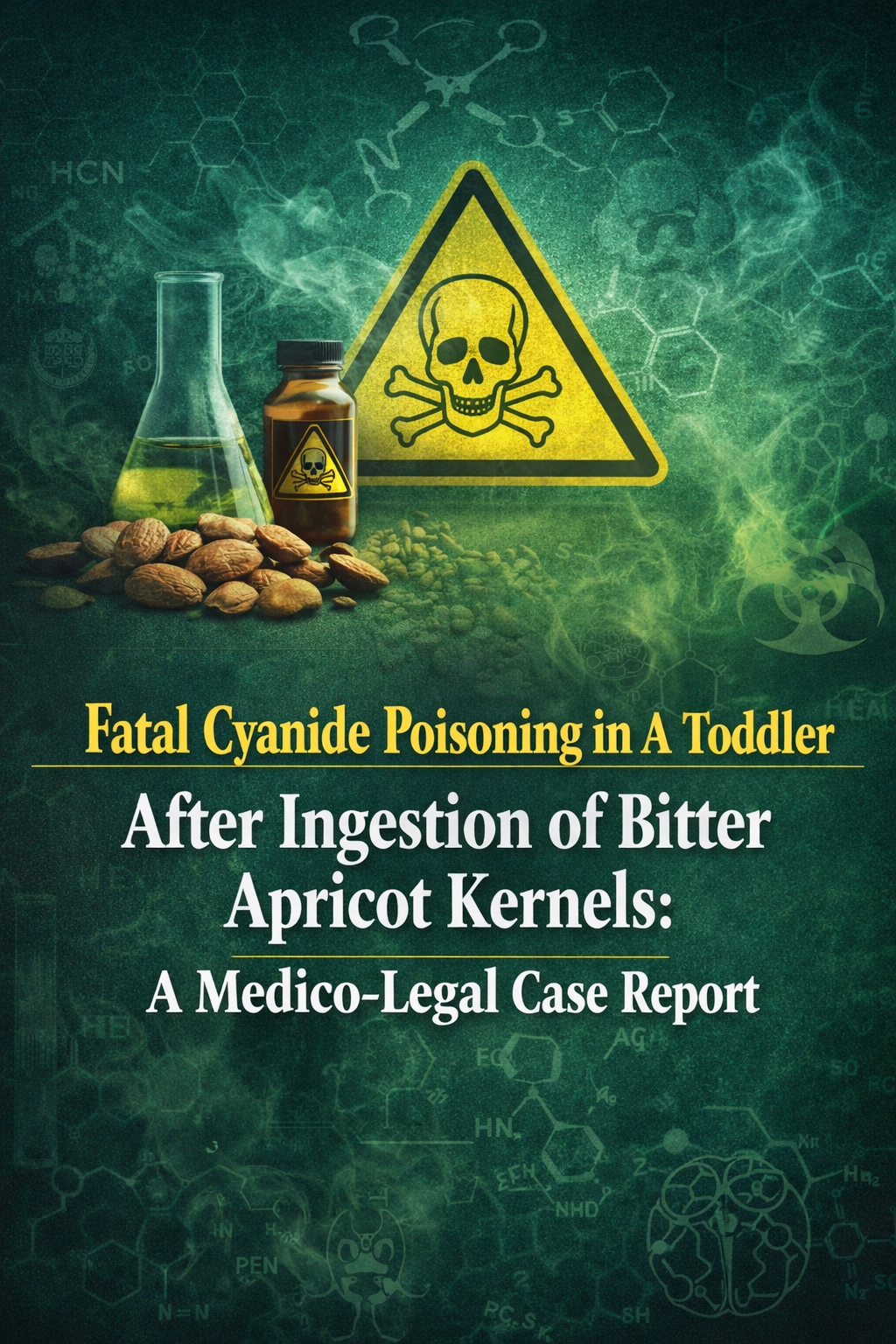
Fatal Cyanide Poisoning in A Toddler After Ingestion of Bitter Apricot Kernels: A Medico-Legal Case Report

Background: Acute cyanide poisoning of dietary origin is a rare but potentially fatal cause of pediatric intoxication. In young children, ingestion of cyanogenic plants or seeds may lead to rapid clinical deterioration, particularly when diagnosis and specific antidotal treatment are delayed. Such cases pose significant clinical and medico-legal challenges, especially in contexts involving traditional food or medicinal practices.
Case presentation: We report the case of a two-year-old boy admitted with sudden impairment of consciousness progressing to deep coma. Initial clinical assessment did not identify a clear etiology. Subsequent medical history revealed ingestion of bitter apricot kernels stored within the domestic environment for traditional use. The child developed severe metabolic acidosis and neurological failure. Toxicological analysis confirmed a markedly elevated blood cyanide concentration (0.8 mg/L). Despite intensive supportive care, including mechanical ventilation and hemodynamic support, the specific antidote hydroxocobalamin could not be administered due to unavailability. The clinical course was rapidly unfavorable, culminating in multiorgan failure and death. In accordance with judicial procedures, an external forensic examination was ordered by the Public Prosecutor. Given the clarity of the circumstances, the well-documented clinical course, and the unequivocal antemortem toxicological confirmation of cyanide poisoning, a full medico-legal autopsy was not deemed necessary.
Conclusion: This case illustrates the potentially preventable nature of food-related cyanide poisoning in children and underscores the decisive role of early etiological diagnosis and timely access to specific antidotal therapy. Beyond establishing the cause of death, the observation highlights the importance of a comprehensive medico-legal approach integrating clinical analysis, healthcare system organization, and child protection considerations. Strengthening preventive strategies and ensuring availability of life-saving antidotes are essential to reduce avoidable pediatric deaths related to domestic toxic exposures.